The hydrochloric acid price landscape is presently seeing significant fluctuation driven by a multifaceted blend of influences. Global logistics challenges, increasing input costs, particularly concerning natural gas – a essential ingredient – are primarily driving the cost increases. Consumption persists stable across multiple sectors, such as steel production, chemical synthesis, and wastewater management. Area variations in values remain due to transportation costs and specific market dynamics. Researchers forecast ongoing price fluctuations in the short term while long-term equilibrium copyrights on resolving distribution network bottlenecks and world economic environment.
Muriatic Acid Price Per US Ton: A Complete Guide
Understanding the prevailing rate of muriatic acid per metric ton is vital for industries that require it. Numerous elements impact the cost , including feedstock expenses , manufacturing overheads, shipping charges , and current sales conditions . Generally, the price can range significantly, from approximately $low_price_range to $high_price_range per US ton, relying on purity , location , and vendor . This guide intends explore such variables in more detail , supplying perspective into forecasting future hydrochloric acid costing movements .
Hydrochloric Acid Bulk Price: Factors Influencing Costs
The prevailing cost of large-scale hydrochloric HCl is considerably impacted by a number of elements . Raw material availability , particularly salt , plays a crucial function, as it’s the main feedstock for its creation. Utility rates, vital for the electrolysis process , substantially shape hydrochloric acid costs . Transportation expenditures , which rely on fuel rates and distribution system availability , also add to the aggregate charge. Finally, market request from multiple sectors like steel manufacturing and food treatment can create cost changes.
Here's a click here summary of influencing factors:
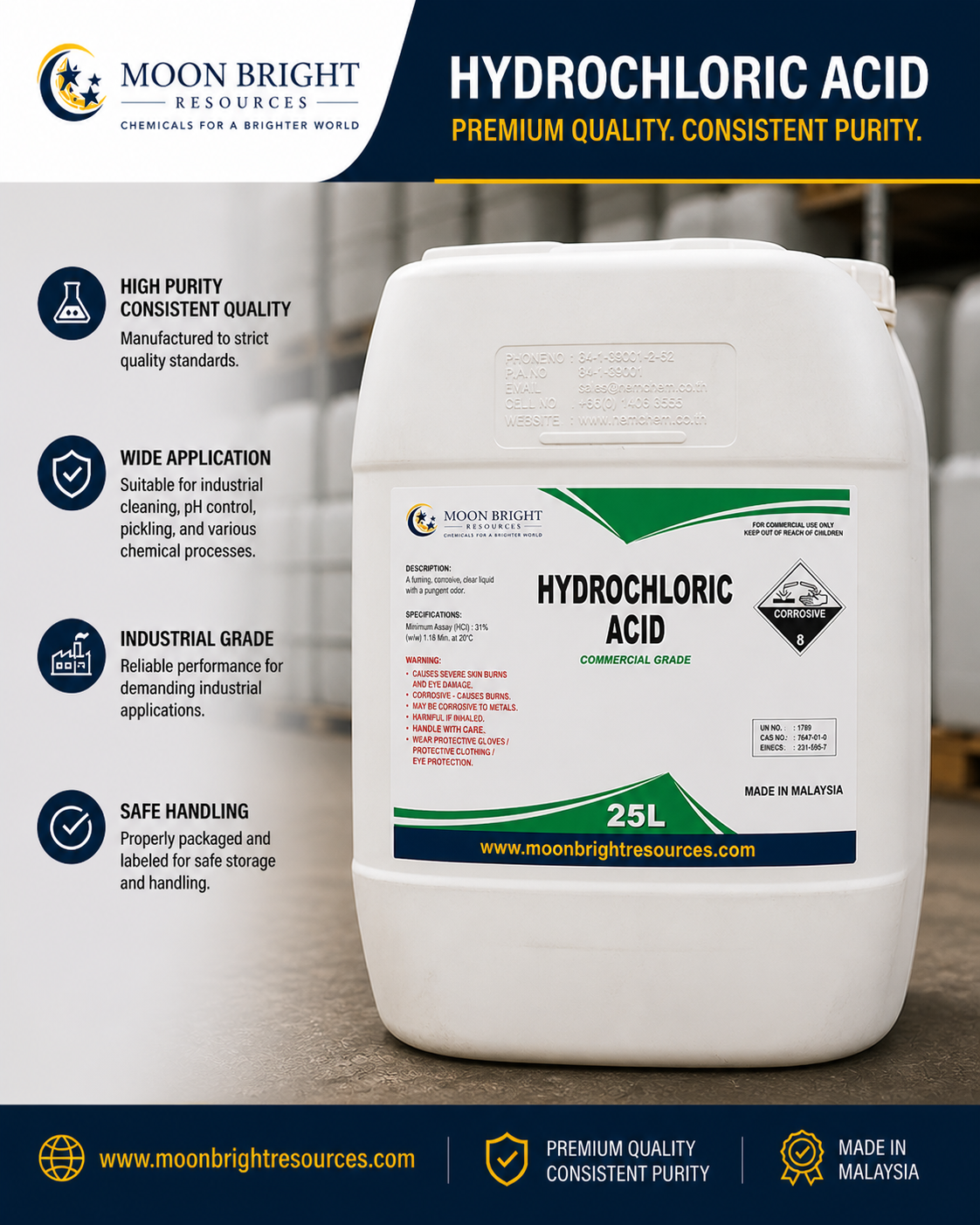
- Raw Material Cost
- Utility Expenses
- Shipping Costs
- Sales Request
Understanding Hydrochloric Acid Bulk Pricing Strategies
Navigating the intricate landscape of hydrochloric HCl bulk pricing requires a keen understanding of several factors. The price of large-volume hydrochloric acquisitions isn't simply a single number; it changes based on supply, demand, delivery charges, and purity specifications. Usually, suppliers offer graduated pricing structures, so greater volumes unlock decreased unit prices. Furthermore, agreed agreements often secure favorable rates compared to individual orders. Consider also the impact of currency rates and any applicable taxes when assessing quotes from various suppliers.
Here’s a quick overview at key considerations:
- Volume Discounts: Large order sizes usually qualify for considerable price decreases.
- Contract Terms: Extended contracts generally provide better value assurance.
- Delivery Expenses: Delivery rates can significantly affect the total price.
- Purity Specifications: Higher quality hydrochloric acid commands a higher price.
Where For Buy Hydrochloric Substance In Large Amounts: Reliable Vendors & Costs
Securing HCl substance in large volumes requires thorough evaluation of vendors . Numerous industrial businesses offer the chemical, but choosing a reputable source is crucial . Common selections include direct chemical distributors , specialty compound companies , and rarely manufacturer sales . Costs fluctuate significantly based on quantity purchased , purity , delivery location , and current rates . Estimate prices to be from approximately $0.50 to $ $2.50 each liter for standard grade , with larger orders qualifying for size savings. Be sure to request bids from several distributors to assess rates and guarantee competitive terms .
Acid Price Fluctuations: What's Impacting the Sector?
Recent changes in muriatic acid costs have spurred significant analysis across various sectors . Several elements are now contributing to these movements . Input costs, particularly connected with chlorine gas and hydrogen , have seen substantial gains, essentially affecting HCl manufacturing outlays . Furthermore, logistical disruptions , stemming from worldwide events and local limitations , are worsening the situation . Finally, fluctuations in requirement from vital utilizing sectors like wastewater management and chemical manufacturing play a vital part in determining the overall industry landscape .
- Basic expenses
- Distribution bottlenecks
- Need from utilizing areas